
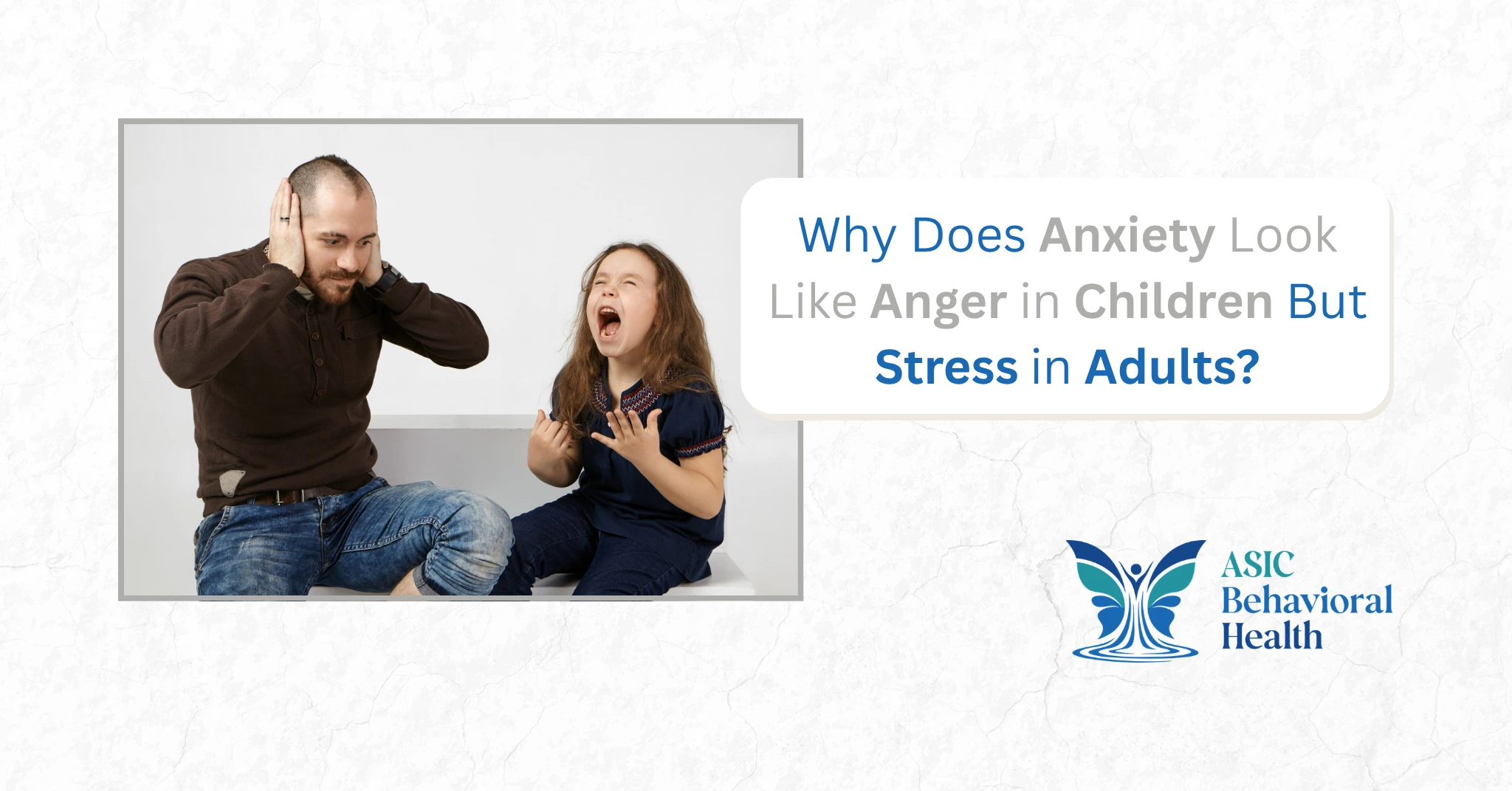
Visualize a steaming pot sitting on a burning stove. You force a thick, heavy lid down onto it. What occurs? Bubbling water overflows the rim and causes a spill, whereas keeping the lid off from the beginning lets the hot vapor dissipate gently. Anxiety behaves just like that restricted boiling liquid. It hides. Buried deep inside a person, the fierce pressure steadily climbs. It absolutely must find a vent.
The Brain and the Built-In Alarm System
Every human has an alarm system wired inside their brain. According to scientists, this is called the fight-or-flight response and when you sense fear, even for a moment, your body responds. It is set to either run away from a scary thing or confront it directly. Today, this response can happen even when there is no real danger.
Adults constantly try to suppress this loud ringing alarm. They grind through their packed workday because they have demanding jobs to do. This forces deep, silent stress inside their bodies. Kids do not know how to mute the loud alarm at all. They just respond instantly to the terrifying noise in their head.
The Centers for Disease Control and Prevention highlight that anxiety is a typical problem among the youth today. Caregivers frequently disregard the discrete signs. They think their kid is just acting stubborn. The child is not trying to give you a tough time on purpose. They are actually having a hard time on the inside.
Why Kids Show Anger When They Feel Anxious
Children often do not possess the extensive vocabulary required to effectively express complex emotions. A seven-year-old cannot eloquently tell you they feel entirely suffocated by a hectic routine. Rather, their little brain just pounds the alarm bell.
Panic is anxiety’s true face. When youngsters face abrupt fright, they feel thoroughly stripped of all autonomy, completely powerless. To snatch back control (and safety), they attack. They use their screaming aggression as a solid shield, fiercely protecting themselves from inner fear.
Here are typical ways underlying anxiety looks identical to outward rage today:
- Huge meltdowns over minor faults: A missing piece or wearing the wrong shoe can prompt a huge, screaming fit.
- Refusing to go to school: They may roar, sob loudly, or vanish under their bed when departure time finally strikes.
- Showing physical aggression: Shoving or hitting often erupts when you give them a basic chore they cannot mentally handle.
Ultimately, these frightening behaviors are just a giant, desperate cry for your deeply needed, steady guidance right now.
Why Adults Experience Anxiety as Stress and Heavy Worry
Bills, they show up relentlessly, demanding our precious cash. We hold onto stressful jobs simply to eat. Under this immense strain, adults are forced to push their raw anxiety deep inside. We swallow that burden, destroying our tired bodies and chaotic minds with unending chronic stress.
Adults often show their hidden anxiety in these very specific ways:
- Constant muscle tension: Shoulders stay tight up by the ears and jaws stay clenched tightly all day long.
- Racing thoughts at night: The tired mind will not stop thinking about terrible things (even when they are completely exhausted).
- Feeling extreme tiredness: Worrying takes up physical energy, which leaves you feeling totally drained by dinner time.
- Dealing with stomach issues: Constant stress hurts the stomach and causes long-term digestion problems that make you feel sick.
Adults try very hard to fix the invisible danger. They overthink every little detail. But the endless worry never really stops bothering them.
Common Triggers for Kids and Adults
Kids and adults worry about very different things in life.
For kids, bad triggers usually include sudden changes in their normal routine. Starting a new school year can cause weeks of angry outbursts at home. Taking a hard math test can also start the brain alarm ringing.
For adults, triggers are mostly tied to major life tasks and heavy duties. Missing a big work deadline can cause panic. Adults spend a lot of time worrying about the distant future, while kids mostly worry about what is happening right now.
How to Help Your Child Manage Anxious Feelings
Parenting a deeply worried kid exhaust you. But you can gently steer them safely through the storm. Try using these three proven, highly effective steps at home:
- Stay grounded and totally calm: Your steady voice rapidly halts their spiraling, terrified thoughts.
- Name it: Acknowledge their raw fear without ever assigning any blame.
- Maintain structure: Predictable daily routines anchor children (even on weekends), making them feel incredibly safe and highly secure.
Find Lasting Relief and Support at ASIC Behavioral Health
Healing is possible. Whether you are soothing an explosive toddler or silently battling your own crippling burnout, you absolutely never need to shoulder this brutal weight by yourself, true help is out there for your whole weary family today.
At ASIC Behavioral Health, we treat every single generation. We easily identify those subtle, often missed signs of intense anxiety. Our highly trained experts will lean in and listen to your unique journey. Then? We craft a customized, highly precise roadmap that actually addresses your specific, unspoken challenges perfectly every time we meet.
Please take one long, deep, grounding breath today. Contact ASIC Behavioral Health right away to book an initial session with our team. Together, we will restore genuine tranquility to your exhausted household starting this very week.
FAQs
Q. Why do worried kids get angry?
Kids do not know the right words for big feelings. Fear makes their young brain panic. They act mad to feel safe and in control again.
Q. Why do adults hold stress inside?
Grown brains know how to hide fear. Adults just keep working to do their daily jobs. All that worry stays trapped inside the body.





No comment